
Working with professional athletes
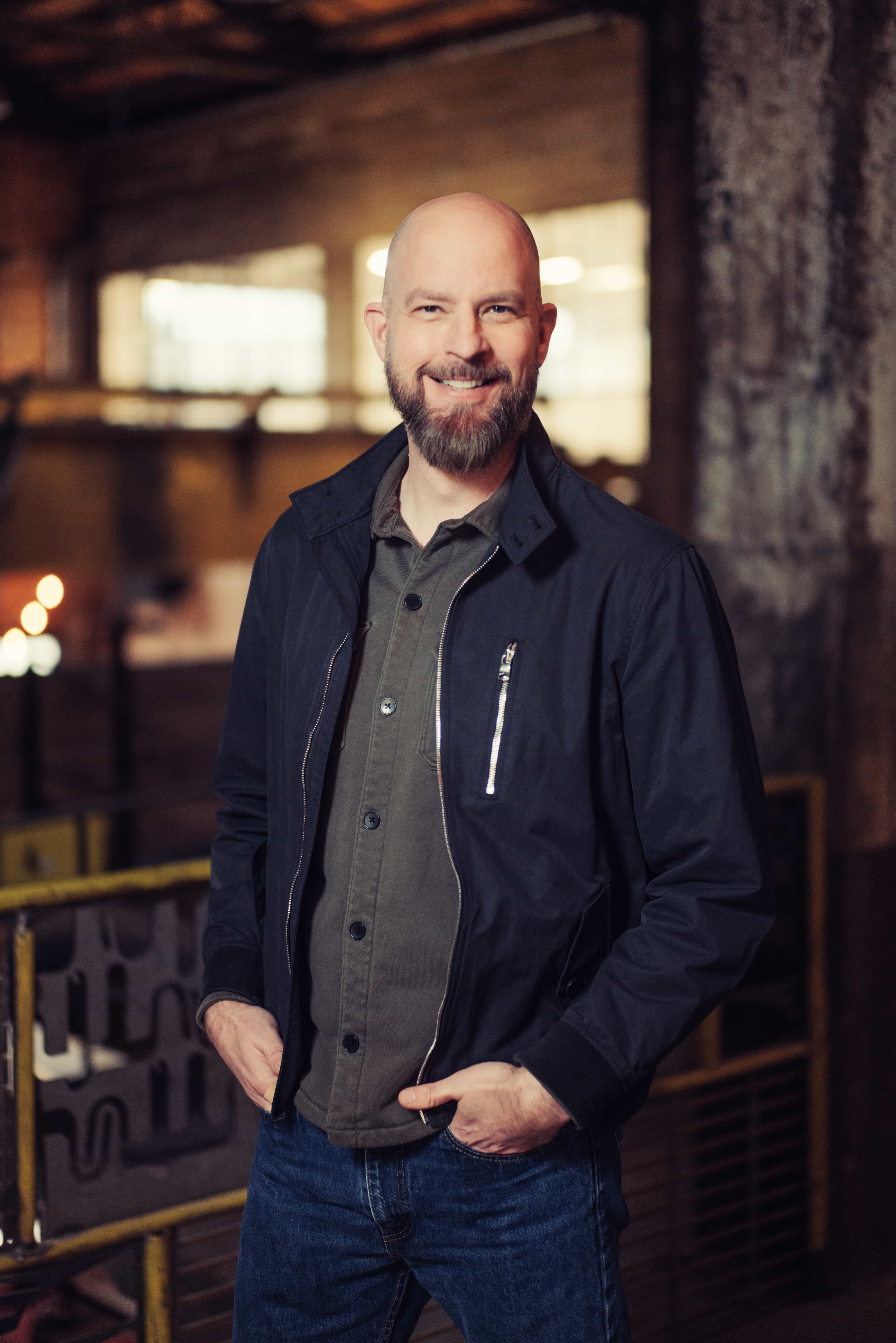
Over the past twenty years, I’ve had the opportunity to work with many different professionals. From dozens of C-suite executives representing some of the world’s most recognizable brands, to accomplished actors, national politicians, and professional athletes. But by far, the people I’m most often asked about are the athletes. What was so-and-so like? Was he or she nice? Were they easy to work with? What was the vibe like? Was the shoot difficult? Was it fun?
To be clear, my experience with professional athletes isn’t near the most exhaustive you’ll find in the industry (see the list at the end of the blog), and it’s mostly limited to live-action television commercial and digital media production. But for an Oregon-based producer/director, my sample size is broad enough, across different sports, ages, and levels of “stardom,” to provide some meaningful insight. Plus, it’s fun to reminisce about a few of the experiences.


I’ve played catch with Heisman Trophy winner quarterback Marcus Mariota between setups on a multi-day commercial shoot for Subway. I’ve shot hoops with NBA All-Star Damian Lillard on an empty arena court. I’ve stood at the base of a rock in Joshua Tree National Park as famed climber Lynn Hill ascended the face, with a cinematographer dangling close by. I’ve stood ringside as phenom boxer Alicia “The Bomb” Baumgardner showed us why she’s unstoppable.
Personal reminiscing aside, let’s get back to the original subject of this blog entry: what’s it like working with them and what advice might I give to help others?
They’re People First

First, I always remind myself that they are normal people, just like you and me. I know that reads a bit corny and cliché, but it’s true. If I forget that as a director, it can make the experience awkward and cringe. Of course, I treat them with appropriate deference and respect - that goes without saying. There is a reason they’ve been chosen to be featured in a shoot - by definition they have a special unique skillsets. But they are still people, and respect goes both ways.
Set the Tone Early
When I first meet them, I’ve usually built enough time into the shoot schedule (or made sure production does) to spend time with them in whatever quiet area we’ve designated for them and their representatives. If we are going to be spending the day, or even part of a day, together, I need to connect with them at a basic human level, before we’re surrounded by crew, other talent and the pressures of the schedule.
One thing I do during that time is make sure they understand that I’m there as a professional as well, that I’ve been brought on because I’m good at what I do. There will be times I may disagree with them. There may be times I ask them to do something they don’t understand. But there needs to be mutual respect and trust, and at the end of the day, I’ll be doing everything I can to make them look their best, respect their brand, and be open to their insights and notes.

I’ve found that having a direct, frank conversation in that private, quiet environment helps set the expectation that we need to work together, even if they are normally used to being in charge. You’d be surprised how often this is appreciated by the athlete. And remember, most of these people are used to being coached. They understand that, and if you position yourself, in some regards, as that coach or authority figure on set, they instinctively respect it.
Athletes Aren’t Usually Actors
A shoot is a particularly unique and quirky environment. Inevitably, throughout the day, there will be moments of disagreement. This can happen because unexpected notes come from the client, the athlete’s representatives, or the athlete themselves. One thing I always remember is that, for the most part, the athletes are not trained actors. Sure, once they’ve achieved a certain level of stardom, they’ve become accustomed to being on set. But a director needs to remember that they should not be treated like actors. What does that mean?

A paid actor knows they are only on set to do a job. Actors are not there to represent their own brand or their own thoughts on the production. They are used to, and expect, quick, on-the-fly notes and direction in front of the crew and other talent. Generally speaking, actors are not going to take it personally or push back. But an athlete is not the same. Sure, they are there to represent the product or service they are being paid to promote, but they are also highly sensitive to their own brand. A director who doesn’t understand that, or who disrespects it, won’t be working with athletes for very long.
I work hard to balance what needs to be accomplished to make the day a success while also honoring what the athlete, or their team, tells me may or may not align with their personality and established brand. This is a critical point, and how it is handled can make all the difference.
Get the Logistics Right
Make sure you, production or the agency, have clearly understood from the athlete or their team about any specific, on-set requirements. Sometimes these are spelled out in the agreement, but believe it or not, there are many times they are not. Ask for clarification in advance. But regardless of the required elements, I highly recommend two things if possible: a quiet, private place where the athlete can relax before, during, and after the shoot, and their own crafty (snacks) located in that same area. Without sounding elitist, because most of these people are down to earth, it’s important that they are not always expected to interact with others. Trust me, it can be an energy drain on the athlete and can also lead to awkward misunderstandings with crew or other talent.


Time is Everything
Know that time is not on your side. Most of these shoots have very specific hard-outs that are, for the most part, non-negotiable on the day. Do not fall behind schedule. You cannot simply extend the day like you might on a normal shoot. Work with the agency or production to maximize any additional deliverables you can fit into the day. Does the spot need the athlete to provide a VO? Can production set up a temporary sound booth to capture that between setups? Is there a need for a separate area for production photos? The athlete’s time is extremely valuable, so make the most of it for the client.
Keep It Professional
Finally, don’t be a fanboy. I don’t care if the person you’re working with is your dream, must-meet, bucket list human. Let them know you’re a fan of their work or a specific game you saw that inspired you, but keep it short. You’re there to do a job, not gush. And at the end of the day, be normal, be human and be nice. It goes a long way.
Professional Athletes Devon Has Worked With
Damian Lillard
NBA Player, Trail Blazers, Timberwolves, Rookie of the Year, 9 x All Star
Director/Producer: Six commercials including for Trail Blazers and Moda Health
Marcus Mariota
NFL Quarterback, multiple teams, Heisman Trophy Winner, Oregon Ducks
1st AD: Broadcast Commercials, National campaign for Subway Sandwiches x 2 spots
James Harden
NBA Player, 11 x All Star, League MVP
Director/Co-Producer: Digital Campaign for Adidas Signature Shoe Launch
Alycia “The Bomb” Baumgardner
Professional Boxer, Adidas athlete, Unified Super Featherweight Champion
Lead Producer: Ofoos Shoes, TV and Digital Ad Campaign
Brandon Roy
NBA Player, Trail Blazers, Timberwolves, Rookie of the Year, 2 x All Star
Directed/Co-Produced: Broadcast TV Commercial, Good Feet
Diego Chará
MLS Player, 2015 MLS Cup Champion
Directed/Co-Produced: EA Sports FIFA Soccer video game, in-store & airplane content.
Terry Porter
NBA Player, multiple teams, 2 x All Star, college coach
Director/Producer: Broadcast TV Commercial, Oregon Health Sciences University
Lynn Hill
Professional Climber, widely considered one of the best climbers ever
Lead Producer: Ofoos Shoes, TV and Digital Ad Campaign
Jusuf Nurkić
NBA Player, multiple teams
Director/Producer: TV Commercial, CarMax and in-arena content
C.J. McCollum
NBA Player, multiple teams
Director/Producer: multiple projects, digital ads and in-arena content.
Elijah Bryant
NBA Player, NBA Championship Bucks, EuroLeague Maccabi Tel Aviv
Lead Producer: Ofoos Shoes, TV and Digital Ad Campaign
Chauncey Billups
NBA Championship, 5 x All Star, player and later NBA coach
Director/Producer: Assist TV Commercial (Emmy nominated)
NBA Media Day
6 Years directing for Trail Blazers on national Media Day. Directing promotional, commercial and in-arena content with all the players for each of the six years.


