
Content Creator vs. Filmmaker
Updated: 3 days ago
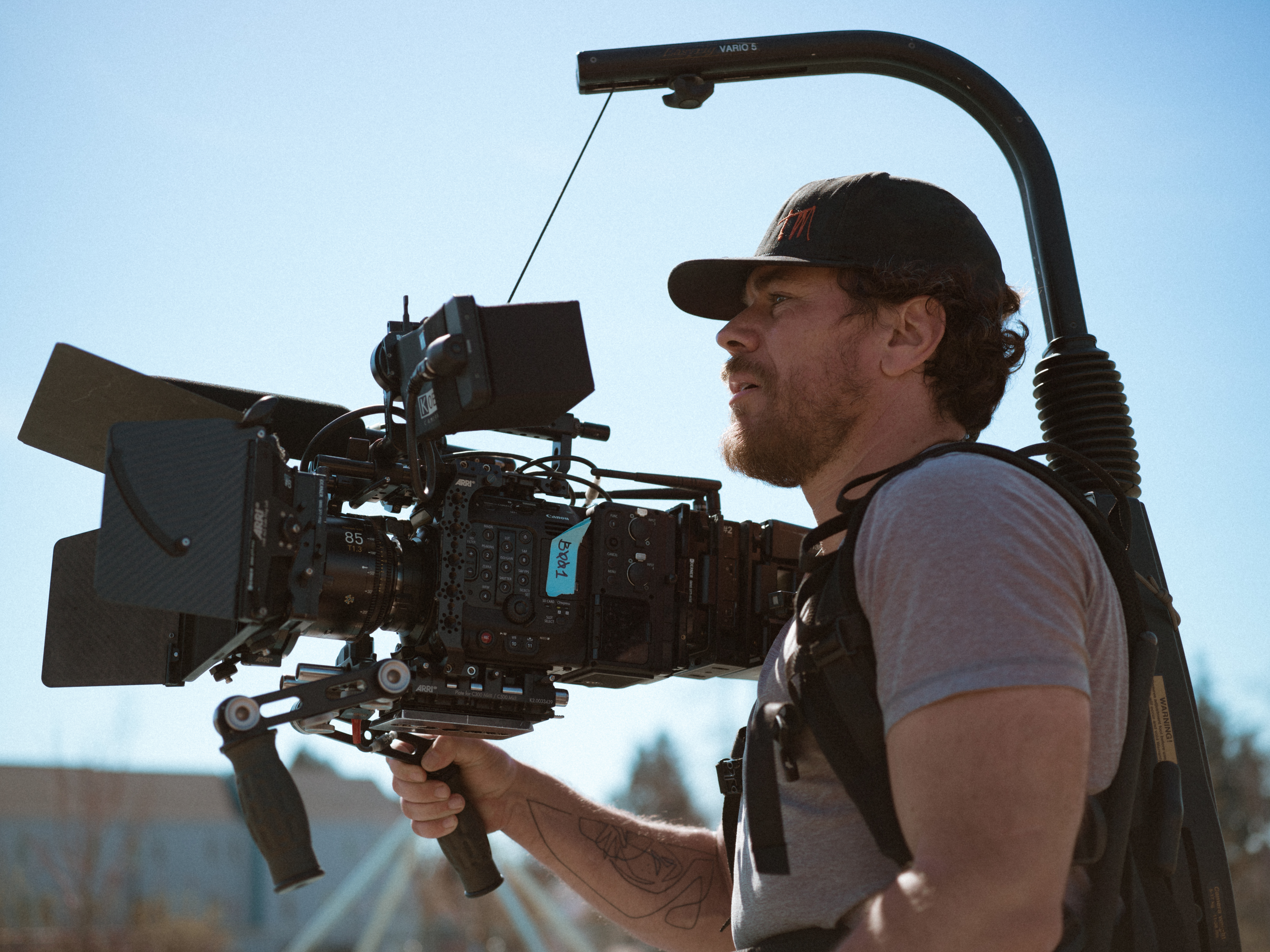
By Chris Fischer, filmmaker and Senior Producer, Rushlight Agency
Often, the real difference between a content creator and a filmmaker isn't equipment, credentials, or even skill behind the camera. The differentiator is whether the creator asks a business question before they ever pick up the camera: why does this project exist, who is it actually for, and how does it get used. A content creator vs. filmmaker comparison built around gear or resume misses the actual point. Most of what gets made and called “content” skips that question entirely, and the data on how often video spend fails to deliver anything back suggests that's not a small gap.
The Real Distinction Isn't the Camera

Almost anyone can be a content creator. A camera, an account, and something to say are the entire barrier to entry. A filmmaker or producer with real expertise isn't defined by better gear either, plenty of content creators now own better cameras than most production companies did a decade ago. What actually separates the two is a discipline: treating a piece of video as a strategic tool built for a specific job, not a deliverable made because a business feels like it should probably have some video content.
The Data Shows the Gap Is Real, Not Just a Feeling
The Content Marketing Institute's third annual video and visual storytelling survey (382 marketers surveyed in August 2023) found 67 percent say video became more important to their business over the prior year. Only 7 percent say their organization actually uses its existing video to its full potential. Just 14 percent say their video results exceed expectations. Sixty percent say an improved strategy would help, which led CMI's own research to conclude this is "an issue of execution rather than the content medium itself."
One marketer put it more bluntly in that same research: "The reality is many don't have a plan for their video projects. The video itself is their plan. Wrong! If you want more budget for video, make sure each video or video series has its own plan for success." CMI's broader 2025 B2B content marketing research, fielded with MarketingProfs across 980 B2B respondents, found the same pattern from a different angle: 56 percent of B2B marketers say they struggle to attribute ROI to their content at all, while top performers who do call their content marketing successful most often cite one specific thing: having a documented strategy.
That's the same thing we found researching influencer spend earlier in this Rushlight blog series: budgets scaling up while proof lags behind.

The Business Brief: What a Filmmaker Actually Asks Before the Camera Rolls
The plan that is being described has a name: the business brief. In other words, the questions that have to get answered before a creative brief means anything:
Why should this video exist? Not "we need content," but what specifically changes if it works.
Who is it actually for? Not who might scroll past it, but who the client's real buyer is and what that buyer already believes.
What's the story, the angle, the pitch, the ask? What does someone need to see or understand differently by the end of the video.
How will it get used? Where will it actually live? A sales call, a landing page, a pitch deck, an ad, or a scroll? Who's responsible for putting it in front of the right person.
How do you earn an ROI? What's actually being measured, and against what number that existed before the project started.
A content creator, by the nature of the job, usually starts at the creative brief: what should this look like, what's trending, what's the hook. A filmmaker who's actually run projects through from idea to distribution starts one step earlier because they understand what the research is showing: success or failure often starts before the camera rolls, not after the project is posted online.
Why This Matters More Than Production Value

This connects to something already true across advertising broadly: creative quality drives roughly half of an ad's incremental sales, while targeting drives about a tenth. But "creative quality" in that research was never about lighting or resolution. It's about whether the message itself is built around something specific and real. A technically flawless video built without answering the business brief is still generic, and generic is what's losing ground right now regardless of budget. The same test that separates a real brand documentary from a generic ad applies to this comparison too: work built without a real answer to who it's for and how it gets used could belong to any brand, anywhere. But work products built with first answering the business brief questions succeed where the others fail.
Why This Matters Even More in a Market Like Oregon
Due to the low barrier for entry, video production is a crowded field. Search for a video production company in Salem or across the Willamette Valley and the results are full of fairly capable shops, many of them run exactly like a content creator operates: fast turnaround, competitive rates, and a portfolio of clean, generic corporate work. That's a real, useful service, and it's also exactly the kind of work least likely to survive the business brief test. In a market this competitive, the businesses that can show, not just say, that they thought through why a piece of content exists before making it are the ones actually worth paying the higher price.
What This Means for a Brand Deciding Whether to Do Film Work
Before greenlighting any video project, a business should be able to answer those five questions, or insist on a partner who won't start production until they can. If nobody on the project can say clearly why a piece exists or how it actually gets used once it's finished, that's the signal the money is about to be spent without a real plan to get it back. The camera was never the hard part. Knowing what to point it at, and why, still is.
Chris Fischer is a filmmaker and Senior Producer at Rushlight Agency in Salem, Oregon, where he directs brand film and documentary work across industries. His documentary Dust*, shot across 42 days in Botswana's Northern Kalahari, was licensed by National Geographic for international distribution. chris@rushlightagency.com*


