
How to Choose a Marketing Agency in Oregon: A Practical Guide
By Chris Fischer, Director of Business Development, Rushlight Agency
Most guides to choosing a marketing agency are written as if every market looks the same. Well, as any Oregonian knows, different regions around our state can definitely differ from each other. Small businesses make up 99.4 percent of the state's economy. These businesses span wine, agriculture, tourism, and healthcare. Finding a marketing agency in Oregon means picking a partner who knows this unique local mix, not just one with a nice looking portfolio and a flashy sales pitch.
Why Oregon Is a Different Market
That's not a marketing claim, it's what the U.S. Small Business Administration's own 2025 state profile shows: Oregon has 417,747 small businesses, accounting for 99.4 percent of all businesses in the state. This accounts for 889,528 jobs, 53.4 percent of the state's total employment. Small-business employment in Oregon grew 17.5 percent between 1998 and 2022, a rate that outpaced the national small-business growth rate over the same period. The mix behind that number is genuinely unusual: professional and technical services, health care, food and accommodation, and agriculture are all among the state's largest small-business sectors. Each of these categories have their own unique calendar, their own regulatory pressure, and their own customer behavior.
A marketing agency built around a generic national playbook doesn't know the difference between a winery's harvest season and a senior living community's move-in cycle, or why a healthcare practice's marketing has to account for HIPAA in a way a restaurant never will.
The Real Cost of the Wrong Decision
Setup, a marketing agency-matchmaking firm that surveyed clients directly for its 2024 Marketing Relationship Survey, found 75 percent of clients call the agency selection process time-consuming, and 77 percent say it's far from simple. Despite that, referrals and word-of-mouth remain the single most common way businesses actually find an agency, which means most of this decision is still being made on trust in whoever happened to make the recommendation, not on an actual evaluation of fit.
That same firm put the stakes bluntly in the title of its own advice on the subject: hiring the wrong agency is a fireable offense. A misaligned agency wastes a budget, misses a season that doesn't come back around for another year, and may cost more to unwind than it would have cost to vet properly in the first place.

What to Actually Look For
The good news is that vetting an agency doesn't require guesswork, only a little bit of research. Clutch, the widely used platform businesses turn to for agency research and reviews, lists the same handful of factors again and again in its own guidance on the process, and pair that with Google reviews, case studies and testimonials and a clear picture in your market should arrive. Add a clear sense of your own goals and budget before you start looking. Look at real case studies and testimonials rather than just a polished pitch. Have a direct interview with the actual people who would work on your account, not just the person doing the selling, and, notably, location. These are some of the practical factors buyers use to narrow a shortlist.
That last one matters more in a state with Oregon's industry mix than it would in a market built around one or two dominant sectors. Ask any agency being considered a simple question: could the work you're showing me have been made for any client, in any city, in any industry? If the honest answer is yes, that's not proof of skill, it's proof of genericness. The same swap test that separates a real brand documentary from a generic ad applies here too. Case studies that could belong to any business anywhere aren't evidence of regional expertise. Case studies built around a real understanding of a specific Oregon industry are.
Why Local Expertise Actually Shows Up in the Work
Rushlight has done real, named work across some of the industries that make Oregon's economy distinct: website, origin story, and storytelling work for Willamette Valley wineries. I have personally done work for vineyards such as Durant, Blue Heron, and Cubanisimo, none of it generic template work, all of it built around what actually gets a wine country business chosen by a visitor. In another sector, and during the pandemic, we built virtual tour experiences for senior living communities at a moment when families literally couldn't walk through a building in person to decide if it was right for their loved one. This is work that only makes sense if you understand how a family actually makes that decision, not just how to point a camera at a hallway.
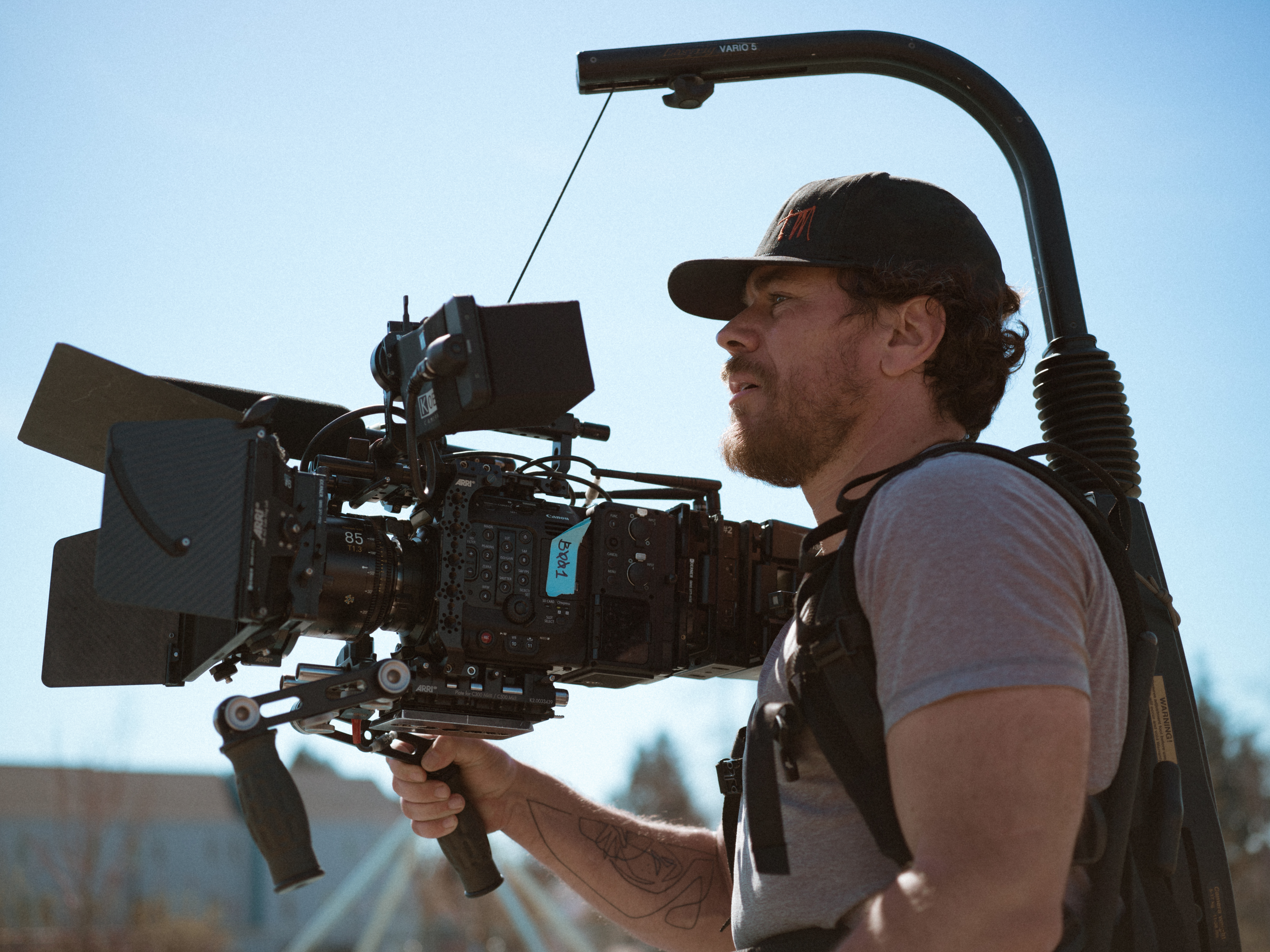
Rushlight has produced brand videos for the Oregon Restaurant & Lodging Association, Moda Health, the Portland Trail Blazers, Intel, Nike, Oregon State University, and Salem Health. These are real institutional clients most local agencies have never had the opportunity to work with. , We’ve also produced over one hundred video projects across many political campaigns. Bottom line: an agency partner that can do intimate, specific work for a family-owned vineyard and also deliver for a professional sports franchise or a statewide trade association, is proving something a portfolio full of similar-looking small business work can't.
None of that work, the wine country storytelling, the senior living virtual tours, or the institutional brand video, would pass if you swapped in a client from a different state. Each one is specific because the market and the client it was built for is specific. That is the argument for why the agency you choose in Oregon should actually know Oregon, not just have an office located in the state.
A Practical Checklist Before You Sign
Before signing with any agency, whether it's Rushlight or anyone else on your list, run through this:
Would that work pass the swap test, or could it belong to any brand, anywhere?
Do they understand the calendar your business actually runs on: harvest, move-in season, enrollment, tourist traffic, a legislative session?
Who specifically works on your account day to day, and is that the same person who pitched you?
What will they actually measure, and will they show you a number, not just a list of deliverables?
If your needs change mid-contract, does the agreement flex, or are you locked into a scope that no longer fits?
Can you talk to a current regional client directly, not just read a quote pulled from a case study?
If you're building a shortlist for a marketing agency in Oregon and want a straightforward conversation with a Salem-based team that already works across the state's wine, hospitality, senior living, and public-sector landscape, that's a conversation we're glad to have, checklist in hand or not.
Chris Fischer is Director of Business Development at Rushlight Agency in Salem, Oregon. chris@rushlightagency.com


