
The Grand Unifier
Making Dust - Part Two
Planning a Wildlife Documentary Around the Kalahari Rain Cycle
Making Dust is a five-part production journal from Rushlight Agency’s director and lead cinematographer — a firsthand account of producing a feature-length wildlife documentary in the Kalahari Desert, from a solo scout during COVID to a premiere on National Geographic WiILD across the EMEA Market, achieved by a crew of three. This is Part Two: the pre-production process, and how we planned a production window around one of the least predictable weather patterns on the continent.
Defining the Story and defining me
There was something out there, a story that I needed to tell, a burning desire to lean into a world and create something uniquely me. But now we needed a plan to execute on. It’s hard to explain to someone the sheer energy that feeling was, a vibration in my soul. I wasn’t back from the scouting trip for more than a few

weeks when I decided on the first story I wanted to tell in the Kalahari. It’s one of a strange wildlife significance, and one of an odd resilience that is hard to pinpoint. The largest terrestrial migration in Africa, zebra of the Kalahari. But the migration is predicated on rain, unpredictable rain, in one of the hottest places on earth, and to execute would take careful planning.
Rain, Migration, and the Story That Held It All Together
The next few months were a blur in calls, decisions, planning structure. We had significant challenges ahead in the production cycle that we needed to find a way to overcome. But most importantly we needed rain. Rain was the one catalyst that we knew gave us the best shot to tie this project together. It is the grand unifier. The things that the Kalahari needs … and so did we.

Our structure was built on this. We pored over weather data, as much as we could, for the northern stretch of the Kalahari, what were the last year’s average rainfall data, when was the rain there predictably, how late could it arrive, how early? The challenge was we did not have a full production budget, meaning we were living on a single story told on a single trip. Could we manage without the rain, yes, that was a production choice, we needed safety, a bar we could hit in the event that rain didn’t arrive. But if it does arrive, our story can pivot, evolve. And so we planned. And our research gave us a window, a few weeks overlap where rain most reliably arrived. And once we had that, we had our film window. Now all that was left was prep, and wait.
Remote Documentary Pre-Production: Gear, Permits, and Getting Ready for the Unknown

Gear selection, crew, permits, timelines, logistics, shoot schedules, shot lists, prelim scripts, all of it, everything I could, I arranged as early as possible … it became essential. Did success depend on it, who knows, but it’s not left to chance.
At this point, COVID was still a real logistical nightmare. Countries still had intermittent lockdowns, testing was an essential requirement of travel timelines, everything was up in the air, and all you could do was plan, then roll the dice.
The plan was simple, 21 days in Northern Kalahari, with dates aimed at putting us dead center of historical rain patterns. This gives us the best chance of some ideal dry season content.
Arriving in an Empty Africa: Filming a Wildlife Documentary During COVID
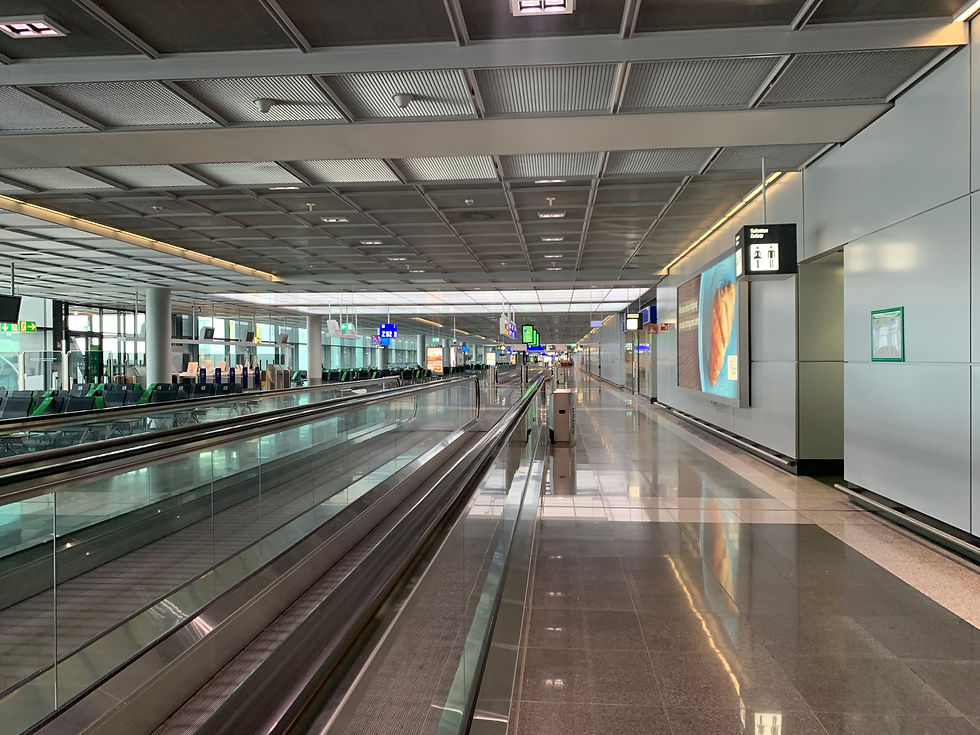
There was a stretch of the Frankfurt airport … a long terminal felt like an eternity,
and I remember in my dazed state walking down that long hallway in utter disbelief … there was no one. Not a soul, like a scene out of a movie so visceral that your brain has a hard time connecting the dots to reality. How could this be? But we persist.
It wasn’t 24 hours later that we were in camp, myself, Matt Meyer, and Alan Lacy, a small bare bones crew to maximize field time, structural overlap and minimize risks. I have traveled to Africa, many times before this, but to be here during the worst pandemic of my life was something that was, to this day, still hard to fathom. Camps, empty. No guests, no cars, no activity. The parks were barren, devoid of cars at most every turn. It left an ominous feeling, almost spiritual, we had this world to ourselves.
That discipline — building a production plan tight enough to hold against every variable and loose enough to move when the story demands it — is the foundation of every project Rushlight Agency takes on. From wildlife and conservation documentary to luxury travel and destination film, safari lodge and hospitality content, brand storytelling, and high-end commercial work for national and international clients: the methodology doesn’t change. A premiere on National Geographic WiILD across the EMEA Market and an Emmy nomination are the credentials. The capability transfers. If you’re developing something that demands this level of craft in a demanding environment, we’d like to hear about it.
Read from the beginning: Part One — how the scout trip proved this story was worth making
Continue reading: Part Three — what actually happened when we were on the ground


