
Why Commercial Video Production Starts With Strategy, Not Cameras
Updated: Jun 11
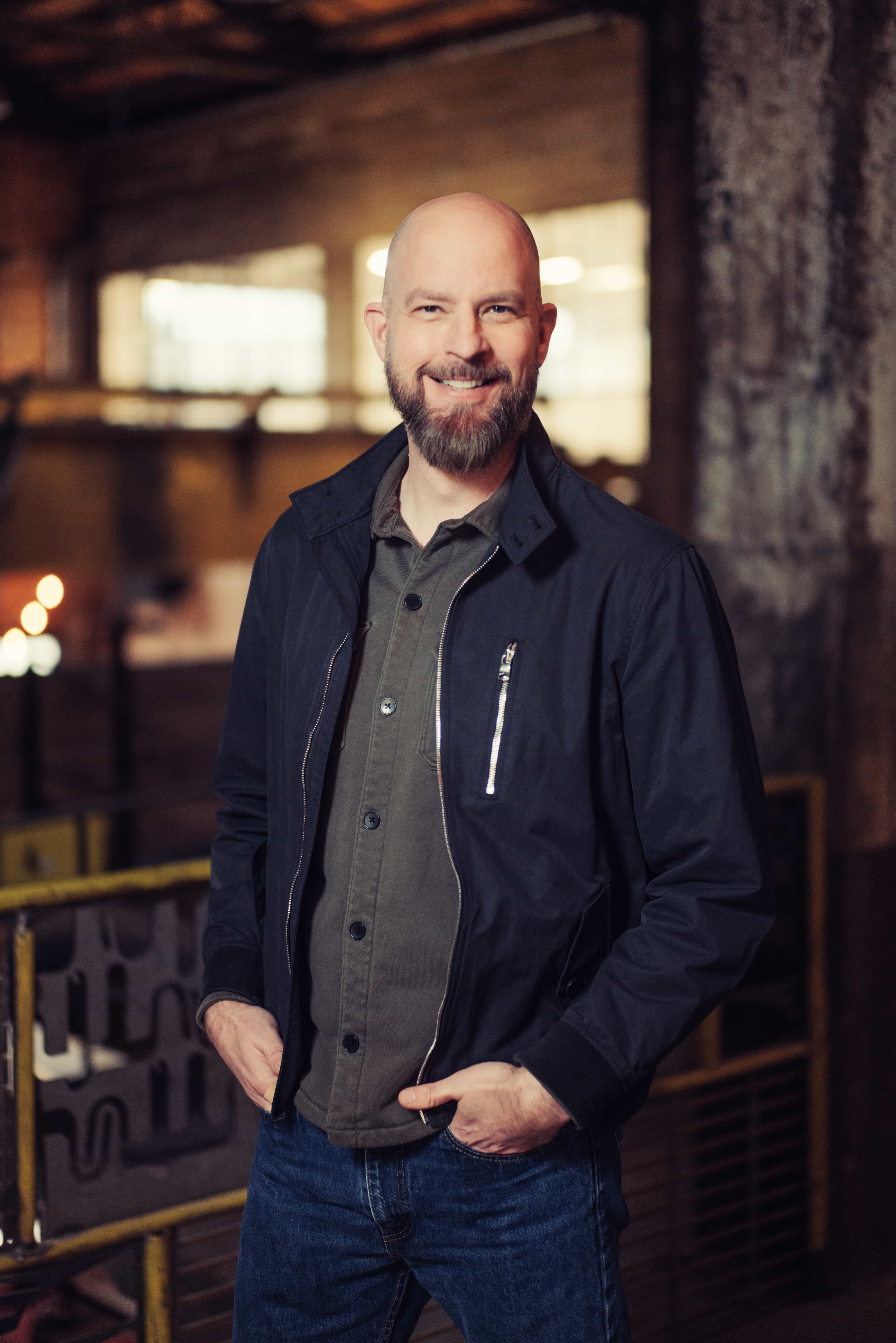
By Devon Lyon, Creative Director at Rushlight
A creative brief tells you what you're making. Strategy tells you why. And the why is where commercials succeed or fail.

Over the past twenty years, I’ve had the opportunity to work with many creative agencies, brands, and sports teams, as well as local businesses on commercial production projects. I’ve received an Emmy nomination for a TV spot I co-produced and directed for the NBA team, Portland Trail Blazers in partnership with Moda Health. I’ve produced commercials and B2B content for Intel in Oregon, Washington, California, Prague, and New York. I’ve directed dozens of professional athletes for different projects (see my blog entry on Working with Professional Athletes). This is just a small sample, and you can read some additional information on my production biography PDF linked HERE.
Not All Production Companies or Agencies Are Created Equal

Why do I point this out? I think it’s important to establish some credibility. Aside from established, experienced professionals, the commercial production landscape is also full of new entries into the space: recent film school graduates, hobbyists who are transitioning to paid work, former still photographers, social media producers, etc., etc. Some of these people, or their companies, will do a great job. But many will be in over their heads. Do they understand how to properly plan? Do they understand the permitting process? Is their company properly insured? Are they paying their crews through payroll with workers’ compensation insurance (not just production insurance)? Will they run a safe set? Have they allowed enough time and budget for postproduction? Do they know how to deliver for television and not just uploading content to YouTube/Vimeo or social channels.
Why Experienced Producers or Integrated Agency Teams Start with Strategy
In most professional fields, experience matters. Trying to skip to the front of the line, or shortchange the process of learning, growing, and refining your craft often results in a sub-par outcome. For commercial video production, whether you're working with an Oregon based production company, or a national agency, it’s intended destination is traditional broadcast television, pre-roll, OTT, or social media (to name a few), one of the absolute most important steps is the strategy – not necessarily the creative brief – but a thoughtful conversation around the overarching strategy of the asset creation and how it fits in with the overall brand and the existing, or about to launch, marketing effort(s).
Strategy First: The Conversation That Should Happen Before the Creative Brief
Before I speak to clients about concepts, scripts, or shot lists, I want to understand where this video lives inside your broader marketing effort. Is it launching a brand refresh? Supporting a seasonal, or on-going campaign? Speaking to an audience you've never reached before?
A 30-second broadcast spot, a pre-roll ad, and a social cutdown might share footage, but they should never share the same assumptions.

When a brand skips this conversation, the symptoms show up later, usually in the edit. The spot looks great but doesn't connect. The messaging is too generic or gets lost in the category “noise”. The call to action might be competing with three other ideas expressed in the spot. No amount of fancy edit techniques or lovely color grade will fix a strategy problem.
The Questions Every Brand Should Answer Before Production
Before you hire a commercial production company, you should be able to answer, or be ready to work through, questions like those below. And working with either an integrated creative agency like Rushlight, or an experienced producer or production house, will help work through these:
Who, exactly, is this for?
"Everyone" is not an audience. The Moda Health campaigns I've directed worked because we knew precisely who we were talking to, market by market, across five states.
What is the one thing the viewer should feel or do?
Not five things. One. Awareness, trust, a click, a phone call. Having a clear strategy will define the job this asset has to do to be considered a success.
Where will it live?
Broadcast television, OTT/streaming, pre-roll, paid social, and organic social all have different technical specs, pacing demands, and audience expectations. Deliverables should be planned before the shoot, not discovered after it. This is especially important in today’s world, as there are so many different aspect ratios, that carefully planning on how you film the content takes on even more importance.
How does this fit what you're already saying?
A commercial that contradicts your brand voice, or your sales team's messaging, creates confusion, not conversions. It is important for many brands to at least get some involvement from the different silos or departments (like sales) during this stage. Creative in a vacuum may be clever and beautiful, but if sales (in this example) can’t use it, it’s wasted money, effort, and time.
What does success look like?
If we can't define the measurement, we can't define the message. A good agency or production partner will ask you these questions. If they don't, that tells you something about their understanding and experience.
If you want a starting framework for working through these questions before your first conversation with a production company, check out this : Production Brief Guide
Why Experience Changes the Outcome
This is where strategy and experience intersect. After hundreds of commercials and brand videos for clients like Intel, Dell, the Portland Trail Blazers, and Moda Health, I can tell you that the strategic conversation isn't a luxury reserved for big budgets: it's the thing that makes any budget work harder and deliver more “bang for your buck”. An experienced team knows how to translate strategy into pre-production decisions: casting, locations, permits, scheduling, and a post-production plan that protects the message all the way to final delivery.
That's also the real argument for working with an established Oregon video production company and integrated agency rather than just the lowest bidder. You're not just paying for cameras. You're paying for the judgment to know what not to shoot.
Don't Let the Excitement of the Shoot Shortchange the Process
If you're considering a commercial, whether it's a regional broadcast spot, a B2B video for your sales funnel, or a social campaign, start with the strategic conversation. Bring your goals, your audience, and your honest questions. The brands that get it right almost always start with this approach.
Ready to talk strategy before we ever talk cameras?
Let's figure out what your commercial actually needs to say, and to whom. I would love to chat with you, drop me a line with the link below.


